Work for People with Disabilities: Unlock Real Career Opportunities
Work for People with Disabilities is no longer just a social concept—it is a critical question shaping the future of inclusive employment. Why do many qualified individuals with disabilities still struggle to find meaningful jobs despite having the skills and motivation to succeed? As workplaces continue to evolve, the demand for inclusive hiring solutions raises an important discussion around accessibility, fairness, and opportunity. Work for People with Disabilities deserves not only attention but structured systems that support real career growth.
Have you ever questioned whether traditional job platforms truly meet the needs of disabled job seekers? While technology has opened doors, barriers such as limited accessibility, lack of awareness, and insufficient employer support remain. This is why Work for People with Disabilities must be approached through platforms that understand both professional talent and individual needs, creating a balanced and respectful employment experience.
What if there were dedicated systems designed to connect people with disabilities to employers who value inclusion, skills, and diversity? This article explores how specialized employment ecosystems empower job seekers, foster independence, and redefine career possibilities through inclusive hiring models built specifically for people with disabilities.
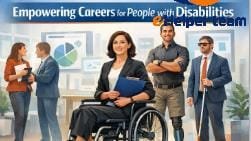

Work for People with Disabilities: Understanding Inclusive Employment
The Importance of Inclusive Job Opportunities
Inclusive employment goes beyond hiring quotas—it focuses on recognizing talent, removing barriers, and building workplaces where everyone can thrive. People with disabilities bring unique perspectives, problem-solving abilities, and resilience that strengthen organizational culture. However, traditional hiring processes often overlook this talent due to outdated assumptions or inaccessible systems.
Inclusive employment models prioritize:
Equal access to job listings
Fair recruitment and evaluation processes
Workplace accommodations that support productivity
Long-term career development
Platforms designed for inclusive hiring ensure that people with disabilities are evaluated based on skills and experience rather than limitations.
Barriers Faced by Disabled Job Seekers
Despite growing awareness, job seekers with disabilities still encounter several challenges when entering the workforce. These obstacles can discourage even highly qualified candidates.
Common challenges include:
Limited accessible digital job platforms
Lack of employer education on disability inclusion
Inflexible work environments
Minimal career support services tailored to disabilities
Addressing these barriers requires specialized employment systems that actively support job seekers at every stage of their career journey.
How AbilityLinks Supports Disability Job Seekers
A Purpose-Built Employment Ecosystem
AbilityLinks was created to bridge the gap between employers and job seekers with disabilities. Unlike general job boards, it focuses on accessibility, inclusion, and meaningful employment connections. The platform emphasizes inclusive hiring practices that align employer needs with candidate capabilities.
Key benefits include:
Disability-focused job matching
Employer education on inclusive workplaces
Safe and respectful hiring environments
This approach empowers individuals to pursue careers confidently and independently.
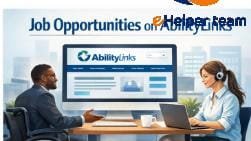
Available Job Opportunities on AbilityLinks
AbilityLinks offers a wide range of employment options tailored to diverse skill sets and abilities. These opportunities span multiple industries and employment types, allowing job seekers to find roles that align with their lifestyle and professional goals.
Available roles often include:
Remote and hybrid positions
Entry-level and professional roles
Flexible schedules
Skill-based employment opportunities
Such diversity ensures that job seekers are not limited by rigid job structures.
Employment for People with Disabilities in a Digital World
The Rise of Flexible and Remote Work
Digital transformation has reshaped the employment landscape, making flexible work more accessible than ever. For people with disabilities, remote work removes physical barriers and provides greater control over work environments.
Advantages of flexible employment include:
Reduced commuting challenges
Customized workspaces
Improved work-life balance
Enhanced productivity
These changes significantly improve employment accessibility and sustainability.
Skills Development and Career Growth
Beyond job placement, long-term success depends on continuous learning and professional development. Employment platforms that support people with disabilities often emphasize professional skill development, enabling job seekers to stay competitive.
Important growth areas include:
Digital literacy
Communication and collaboration skills
Industry-specific certifications
Career planning and mentorship
This focus ensures sustainable career advancement rather than short-term employment.
Networking for Disabled Professionals
Building Strong Professional Connections
Professional networking plays a vital role in career success, yet it is often inaccessible for people with disabilities. Inclusive platforms encourage professional networking opportunities that connect job seekers with mentors, peers, and employers in supportive environments.
Benefits of networking include:
Access to hidden job opportunities
Career guidance and mentorship
Increased confidence and visibility
Networking helps individuals feel valued and included in professional communities.
Employer Engagement and Awareness
Inclusive employment succeeds when employers actively participate in building accessible workplaces. AbilityLinks promotes awareness by encouraging employers to understand disability inclusion and the value it brings to organizations.
Employer engagement focuses on:
Inclusive recruitment strategies
Workplace accommodations
Diversity-driven company culture
This mutual understanding strengthens trust between employers and job seekers.
Why Specialized Employment Platforms Matter
Beyond Traditional Job Boards
Traditional job platforms are often not designed with accessibility in mind. Specialized employment systems offer tailored solutions that prioritize user experience, dignity, and opportunity.
These platforms provide:
Accessible interfaces
Supportive hiring processes
Inclusive employer networks
Empowering Independence Through Meaningful Careers
The Psychological Impact of Employment
Employment is more than a source of income—it is a foundation for independence, self-worth, and personal identity. For people with disabilities, having access to fair employment opportunities contributes significantly to mental well-being and social inclusion. Meaningful work allows individuals to feel productive, respected, and valued within their communities.
Having stable employment can lead to:
Increased self-confidence
Reduced social isolation
Stronger sense of purpose
Improved overall quality of life
When individuals are empowered to contribute professionally, they are better positioned to lead independent and fulfilling lives.
Breaking Stereotypes in the Workplace
One of the biggest challenges in disability employment is overcoming outdated stereotypes. Many employers still underestimate the capabilities of disabled professionals, focusing on limitations rather than potential. Inclusive platforms actively challenge these misconceptions by highlighting talent, experience, and achievements.
Breaking stereotypes requires:
Exposure to real success stories
Awareness of adaptive technologies
Education on inclusive work models
As perceptions shift, workplaces become more open, innovative, and diverse.
Why Employers Benefit from Disability Inclusion
Inclusive hiring is not just ethical—it is strategic. Companies that embrace disability inclusion often experience higher employee loyalty, improved team morale, and enhanced brand reputation. Diverse teams bring fresh perspectives that drive innovation and problem-solving.
Business benefits include:
Lower employee turnover
Access to untapped talent pools
Stronger corporate social responsibility image
Improved workplace culture
Inclusive hiring creates value for both employers and employees.
Creating Accessible Work Environments
Accessibility is a key factor in employment success. Inclusive organizations prioritize workplace accessibility solutions that enable employees with disabilities to perform at their best. These adjustments are often simple but highly effective.
Examples include:
Flexible schedules
Assistive technologies
Clear communication practices
Supportive management policies
Accessibility fosters productivity and trust across teams.
Career Pathways and Long-Term Stability
From Job Placement to Career Development
Short-term employment is not enough. Sustainable success comes from long-term career planning and growth opportunities. Platforms that support people with disabilities focus on career advancement strategies that help individuals move forward professionally.
Career development may involve:
Skill enhancement programs
Leadership training
Career coaching
Goal-oriented performance reviews
This approach ensures stability and professional progression.
Adapting to Changing Job Markets
The modern job market is constantly evolving. Automation, digital tools, and remote work have reshaped career paths across industries. For people with disabilities, adaptability is key to staying competitive.
Key adaptation strategies include:
Learning digital tools
Expanding transferable skills
Exploring flexible job roles
Staying informed about industry trends
Preparedness ensures resilience in changing environments.
Community Support and Professional Confidence
The Power of Peer Support
Community plays a vital role in professional success. Engaging with peers who share similar experiences can boost confidence and motivation. Supportive environments encourage open discussion, shared learning, and collaboration.
Community benefits include:
Emotional encouragement
Practical career advice
Shared success stories
Feeling supported reduces fear and increases professional confidence.
Mentorship and Role Models
Mentorship is especially impactful for disabled professionals navigating their careers. Learning from experienced individuals who understand workplace challenges can accelerate growth and decision-making.
Effective mentorship provides:
Career clarity
Realistic guidance
Motivation and accountability
Role models inspire confidence and long-term ambition.
Future Outlook for Disability Employment
A More Inclusive Workforce
The future of work is increasingly inclusive. As awareness grows and technology advances, more employers recognize the importance of equitable employment practices. Disability inclusion is becoming a standard rather than an exception.
Future trends include:
Increased remote work adoption
Better accessibility standards
Stronger diversity policies
These changes create more opportunities for disabled job seekers.
Technology as an Enabler
Work for People with Disabilities, Technology continues to remove barriers in employment. From adaptive tools to flexible digital workspaces, innovation plays a critical role in leveling the playing field.
Technological benefits include:
Enhanced communication
Improved accessibility
Greater job flexibility
Technology empowers individuals to work efficiently and independently.
Frequently Asked Questions (FAQ)
Q1: Who can benefit from AbilityLinks?
AbilityLinks is designed for job seekers with disabilities who are looking for inclusive employment opportunities aligned with their skills and career goals.
Q2: Are the job opportunities suitable for different skill levels?
Yes, opportunities range from entry-level roles to professional and specialized positions across multiple industries.
Q3: Does AbilityLinks support remote work options?
Many roles support flexible and remote work, making employment more accessible for individuals with varying needs.
Q4: How does AbilityLinks help employers?
It educates employers on inclusive hiring practices and connects them with qualified candidates committed to professional success.
Q5: Can AbilityLinks support long-term career growth?
Yes, the platform emphasizes career development, networking, and sustainable employment pathways.
Conclusion
Work for People with Disabilities, AbilityLinks represents a powerful shift toward inclusive employment by focusing on ability, dignity, and opportunity. Through supportive systems, flexible job options, and employer engagement, it empowers individuals with disabilities to build meaningful and sustainable careers. Inclusive employment is not just about access—it is about recognizing talent, fostering independence, and creating a workforce where everyone can thrive.